The Zeroth Law of Product Management
We always say that good products are customer-centric, to the extent that this has become somewhat of a cliché. Unfortunately, in my experience, it is not always obvious. Even less clear is what we mean by “customer”. Is it one single customer who really needs something, or the entire customer base we should focus on? Is it current customers, or future ones? What if my 2-year roadmap serves current customers, but in 2 years the company has grown 3x and I am now poorly serving two-thirds of my customers?
This problem reminded me of the great works of sci-fi Grand Master Isaac Asimov. In his famous robot stories and novels, robots only exist because of human beings. Taking care of humans is their sole purpose of existence. Sounds familiar?
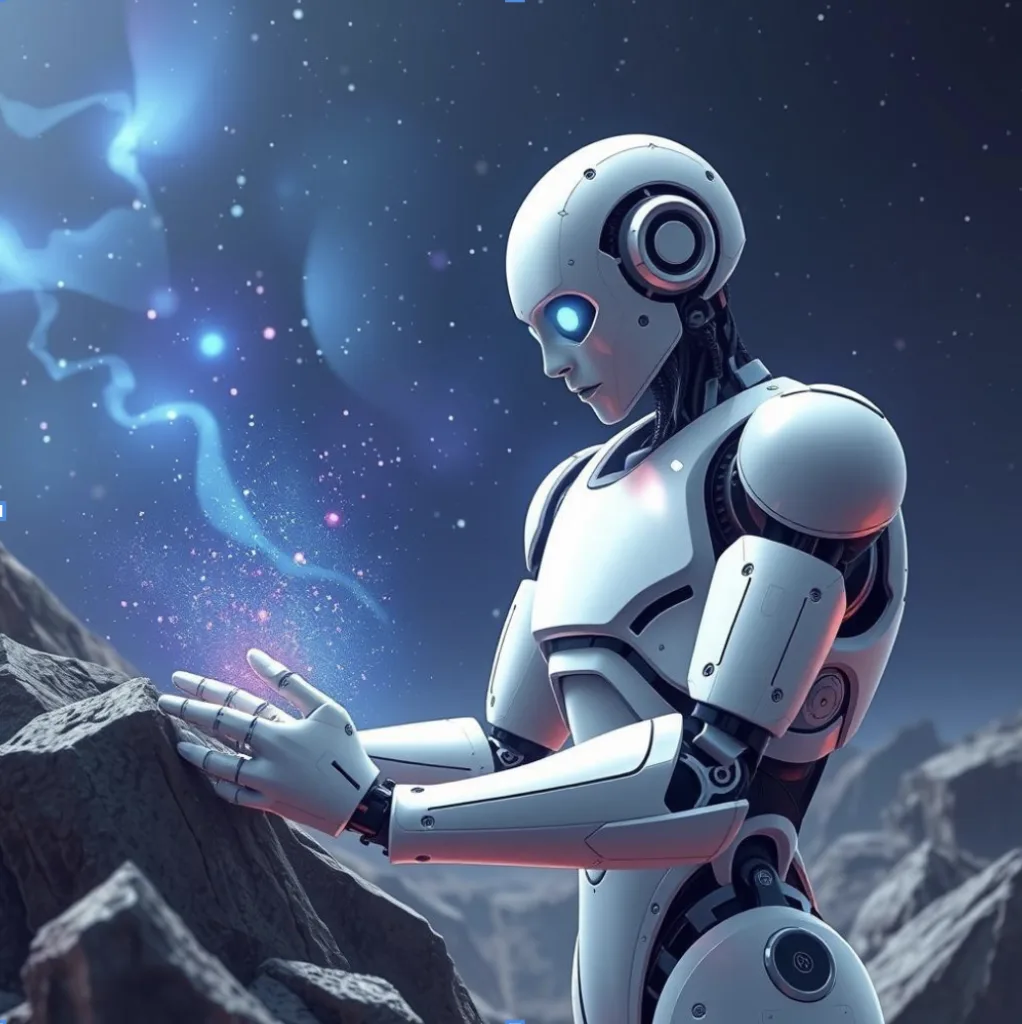
Now, if you are a robot, according to Mr. Asimov, you need three laws to ensure this purpose is deeply embedded in your decision-making:
- A robot may not injure a human being or, through inaction, allow a human being to come to harm.
- A robot must obey the orders given it by human beings except where such orders would conflict with the First Law.
- A robot must protect its own existence as long as such protection does not conflict with the First or Second Law.
For me, this maps to product management laws with a similar logic:
1. A product should create and deliver value to the customer.
2. A product should serve the customer’s requests, except where such requests would conflict with the First Law.
Just as you cannot order a robot to injure another human being, a product should not fail to deliver value because it took the customer’s opinion or explanation about delivering value too literally.
3. A product should protect its own existence as long as such protection does not conflict with the First or Second Law.
A product cannot deliver value in the long run unless it supports its existence through value capture. But a valuable product with poor value capture is better than a product with no value creation at all.
Now, the problem with taking care of human beings is that quantity matters. Is helping 100 human beings better than helping one? So Asimov’s robots had to come up with a Zeroth Law:
0. A robot may not harm humanity, or, by inaction, allow humanity to come to harm.
The biggest problem for Asimov’s robots was defining what humanity means. So (spoiler alert) they had to start an entirely new science to solve it.
It is the same for a product:
0. A product should deliver maximum value to a customer base over a longer period.
Which in turn changes the First Law to:
1. A product should always deliver value to a single customer, unless this contradicts delivering maximum value to the customer base.
This is the gist of product management, and it gets overlooked so much. It is not the 10 customers asking you for 10 features each, leading to complex prioritization formulas and scorecards. It is your entire customer base, current and future, that needs more value.
Everything important in product management follows from this first principle. Like the advanced robots, we have invented dozens of methodologies and patterns to define who our customers are. You can do that with great tools like the Ideal Customer Profile, Jobs-to-be-Done or Value Proposition Design. To optimize over time, you need to build a strategy around how to evolve your customer base and serve it better and better. Otherwise you are counting on blind luck to solve your customers’ problems in the long run.
What happens without the Zeroth Law? The First, Second and Third Laws already exist in your organization. You will hear them from all your stakeholders to different extents. Following them blindly will leave your product behind, like the more primitive robots in Asimov’s work. But following them with the Zeroth Law in mind can transform your entire organization.